Etiam porta sem malesuada magna mollis euismod. Vivamus sagittis lacus vel augue laoreet rutrum faucibus dolor auctor.
360 St Kilda Road,
Melbourne Australia
: 91 90947 92678
(Sat - Thursday)
Monday - Friday
(10am - 05pm)
Inverter/UPS
Inverter/UPS
Gain Power Uninterrupted with Inverter/UPS
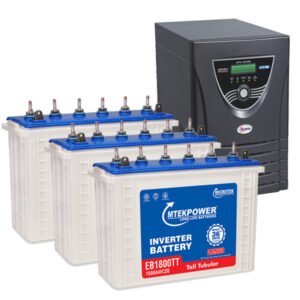
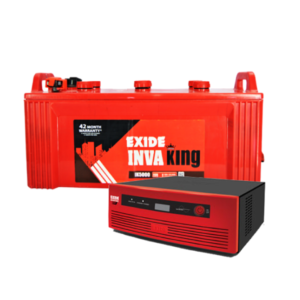
Inverters and UPS systems are devices designed to provide backup power during electrical outages or fluctuations. While inverters convert DC electricity into AC electricity, UPS systems include a built-in battery for storing energy, ensuring seamless power supply transition during interruptions.
Both inverters and UPS systems play an essential role in providing reliable backup power, so it’s good to learn about their functionality, benefits, applications, and maintenance tips.
Benefits of Inverters and UPS Systems
Uninterrupted Power Supply
Inverters and UPS systems ensure continuous power supply during blackouts, minimizing downtime and protecting against data loss, equipment damage, and productivity loss.
Voltage Regulation
UPS systems stabilize voltage output, preventing voltage spikes, sags, and surges that can damage sensitive electronics and appliances.
Surge Protection
Both inverters and UPS systems offer surge protection, shielding connected devices from transient voltage spikes and electrical surges caused by lightning or utility grid issues.
Energy Efficiency
Modern inverters and UPS systems are energy-efficient, utilizing advanced technologies such as line-interactive and online double-conversion designs to optimize power usage and reduce operating costs.
Applications of Inverters and UPS Systems
Inverters and UPS systems provide backup power for essential appliances, lights, and electronics in homes, ensuring comfort, security, and convenience during outages.
Businesses rely on UPS systems to protect critical infrastructure, servers, data centers, and communication networks from power disruptions, minimizing downtime and financial losses.
Inverters power industrial machinery, motors, and equipment in manufacturing facilities, ensuring uninterrupted operations and production continuity.
UPS systems are vital in healthcare settings, providing backup power for medical equipment, life support systems, and electronic health records to maintain patient care and safety during emergencies.
Yes, inverters and some UPS systems are compatible with solar panel installations, allowing users to harness solar energy for backup power or grid-tied applications. It’s essential to select inverters or UPS systems with integrated solar charging capabilities or connect them to external charge controllers for optimal performance.
The backup runtime of a UPS system depends on factors such as the battery capacity, load demand, and efficiency of the system. UPS systems typically provide backup power ranging from a few minutes to several hours, allowing users to safely shut down equipment or transition to alternative power sources during outages.
While UPS systems offer protection against common power disturbances such as blackouts, voltage spikes, and sags, they may not safeguard against severe events such as prolonged outages, lightning strikes, or extreme weather conditions. Supplemental protection measures such as surge suppressors or lightning arrestors may be necessary for comprehensive power protection.