Energy Solutions can help you reduce your fuel bills

  • Call Us
    +91 90947 92678
  • NO: 1/554, 2ND FLOOR, VGK COMPLEX,
    GST ROAD,VANDALUR, CHENNAI - 600 0048

Ensuring Reliability and Performance

Engine inspections are critical for evaluating the condition and functionality of engines in power utility systems. These inspections involve checking vital components, assessing wear and tear, and identifying potential issues that could lead to failures or inefficiencies. By thoroughly inspecting engines, you can ensure they operate at peak performance, reducing the risk of unexpected breakdowns and prolonging their lifespan.

At SUPREMECH, we specialize in comprehensive engine inspections that prioritize safety, reliability, and operational continuity. Our expert technicians conduct detailed assessments, providing insights into your engine’s health and recommending necessary maintenance or repairs. Trust us to enhance the resilience and efficiency of your power systems. Contact us today to schedule an engine inspection and keep your engines running smoothly and efficiently.
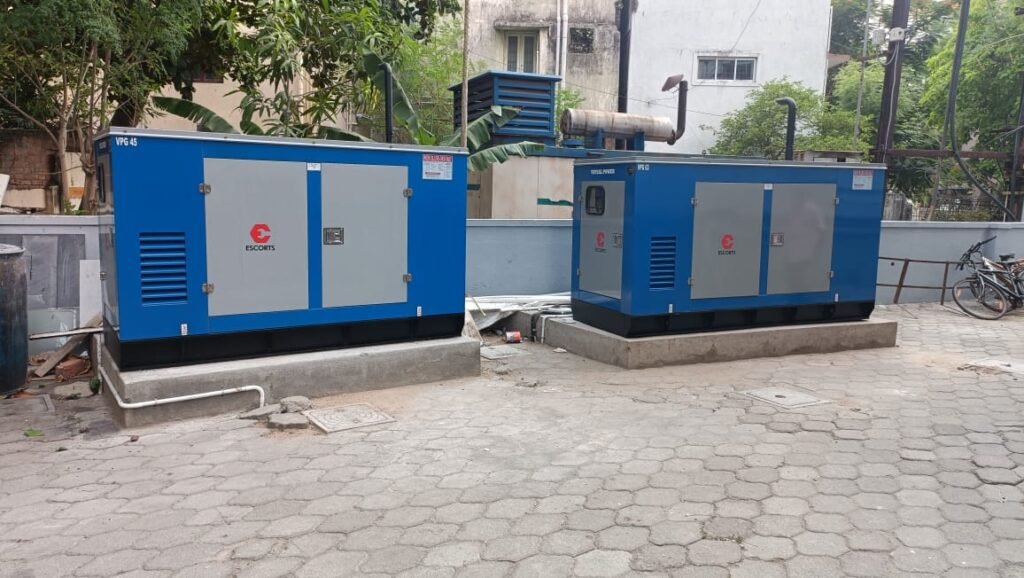
Importance of Engine Inspection

Preventive Maintenance

Regular engine inspections help identify potential issues early, allowing for preventive maintenance that can prevent costly breakdowns and extend the engine's lifespan.

Enhanced Performance

Inspections ensure that engines are operating at their optimal performance levels, improving efficiency and reducing fuel consumption, which can lead to cost savings over time.

Safety
Assurance

By detecting faults and wear in critical engine components, inspections reduce the risk of accidents and ensure the safety of personnel and equipment.

Compliance and Standards

Regular engine inspections help ensure compliance with industry regulations and standards, avoiding potential legal issues and ensuring operational integrity.

Applications of Engine inspections

Preventive Maintenance

Regular engine inspections help identify potential issues before they become major problems, ensuring the equipment runs smoothly and reducing the risk of unexpected breakdowns.

Safety Assurance

Inspections are critical for ensuring the safe operation of engines, especially in environments where failure could lead to hazardous situations, such as in industrial or transportation settings

Compliance and Regulations

Many industries require routine engine inspections to meet safety and environmental regulations, ensuring that equipment is in compliance with legal standards and avoiding potential fines.

Performance Optimization

By identifying wear and inefficiencies during inspections, maintenance teams can make necessary adjustments and repairs, optimizing engine performance and extending the lifespan of the equipment.

FAQ

The frequency of engine inspections depends on the type of engine, its usage, and the manufacturer’s recommendations. Generally, routine inspections are recommended every 6 to 12 months, but high-usage engines may require more frequent checks.

An engine inspection typically involves checking components such as the fuel and air filters, belts, hoses, fluids, and ignition systems. It also includes assessing wear and tear, checking for leaks, and ensuring that all parts are functioning correctly.

Signs that an engine needs an inspection include unusual noises, reduced performance, difficulty starting, increased fuel consumption, and visible leaks. These symptoms indicate potential issues that should be addressed promptly to avoid further damage.