Energy Solutions can help you reduce your fuel bills

  • Call Us
    +91 90947 92678
  • NO: 1/554, 2ND FLOOR, VGK COMPLEX,
    GST ROAD,VANDALUR, CHENNAI - 600 0048

Site Analysis and DG Sizing

Site analysis and civil engineering encompass a comprehensive assessment and design process focused on the physical, environmental, and regulatory aspects of project sites. For generator and power utility projects, this involves evaluating terrain, soil conditions, environmental factors, and infrastructure requirements to ensure optimal site selection and infrastructure design.

Site analysis and civil engineering are fundamental to the success of generator and power utility projects, ensuring site suitability, structural integrity, environmental compliance, and regulatory approval. With SUPREMECH’s expertise in site analysis, civil engineering, and infrastructure development, you can trust in comprehensive and sustainable solutions that meet your project’s objectives and exceed industry standards. Contact us today to begin on your next power project with confidence!
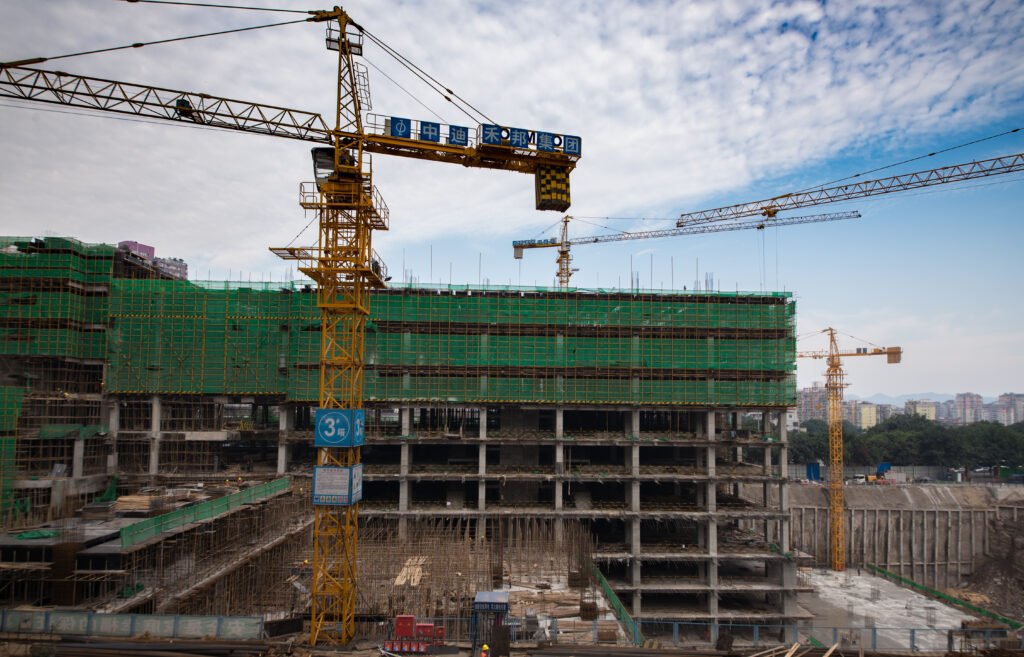
Importance of Site Analysis and Civil Engineering

Site Suitability

Thorough site analysis identifies suitable locations for generator installations, substations, transmission lines, and other infrastructure components based on factors such as accessibility, terrain, proximity to load centers, and environmental considerations.

Structural Integrity

Civil engineering ensures the structural integrity and stability of foundations, support structures, and ancillary infrastructure to withstand environmental loads, seismic activity, and operational stresses

Regulatory Compliance

Site analysis and civil engineering address regulatory requirements, zoning restrictions, environmental permits, and land use considerations to ensure project compliance and minimize regulatory hurdles.

Site Analysis Process & Civil Engineering Considerations

Site Selection

Evaluate potential sites based on project requirements, geographical constraints, environmental sensitivity, and regulatory considerations, prioritizing factors such as accessibility, land availability, and proximity to electrical infrastructure.

Environmental Assessment

Conduct environmental impact assessments (EIAs) and ecological surveys to identify potential environmental risks, habitat concerns, and regulatory constraints, ensuring compliance with environmental regulations and conservation objectives.

Geotechnical Investigation

Perform geotechnical studies to assess soil conditions, ground stability, bearing capacity, and seismic hazards, informing foundation design, earthworks, and construction methodologies.

Foundation Design

Develop foundation designs tailored to site-specific soil conditions, structural loads, and environmental factors, utilizing techniques such as shallow foundations, deep foundations, or pile foundations to ensure stability and longevity.

Structural Analysis

Conduct structural analysis and modeling to assess the performance of support structures, transmission towers, and substations under various loading conditions, optimizing design parameters for safety, efficiency, and cost-effectiveness.

Infrastructure Design

Engineer infrastructure components such as access roads, drainage systems, retaining walls, and erosion control measures to facilitate construction activities, enhance site accessibility, and mitigate environmental impacts.

FAQ

SUPREMECH employs a multidisciplinary approach to site analysis and civil engineering, integrating geotechnical expertise, environmental assessments, regulatory compliance, and advanced engineering solutions to deliver comprehensive and sustainable infrastructure solutions tailored to our clients’ needs.

Environmental considerations in site analysis include habitat protection, biodiversity conservation, water quality management, air emissions, noise pollution, visual impacts, cultural heritage preservation, and compliance with environmental regulations and permitting requirements.

Geotechnical investigation provides critical data on soil properties, bearing capacity, settlement potential, groundwater conditions, and seismic hazards, informing foundation design decisions such as foundation type, depth, size, reinforcement, and construction techniques to ensure stability, durability, and safety.